
Everyone’s busy talking about chatbots, image generators, and viral AI demos…
But underneath all the noise, something bigger has been happening in silence.
Long content skip to Agentic AI part
In recent years, the conversation around AI has shifted dramatically. With advancements in natural language processing and machine learning, we are seeing applications of AI in various industries, from healthcare to finance. For instance, AI algorithms help doctors diagnose diseases more accurately by analyzing medical images and patient data swiftly, leading to better patient outcomes.
This evolution of AI encompasses not only improvements in technology but also a transformation in how we interact with these systems. For example, in customer service, AI chatbots are now equipped with advanced capabilities that allow them to handle complex queries and provide personalized responses based on customer history, enhancing user experience and satisfaction.
The implications of this rise of AI are profound. Companies are increasingly adopting AI-driven analytics to better understand consumer behavior, which leads to improved marketing strategies and product development. In the retail sector, predictive analytics powered by AI can forecast inventory needs with remarkable accuracy, thus reducing waste and increasing profit margins.
Ultimately, embracing AI is not merely about technology; it’s about transforming our approach to problem-solving and innovation. As organizations learn to harness the full potential of AI, they will unlock new avenues for growth and efficiency, positioning themselves competitively in their respective markets.
Moreover, the automation capabilities of AI allow businesses to streamline their operations. For instance, in manufacturing, AI-driven robots collaborate with human workers to optimize production processes, ensuring efficiency while maintaining quality standards. This not only boosts productivity but also enhances worker safety by handling hazardous tasks.
Let’s consider the role of AI in education. Intelligent tutoring systems leverage AI to assess students’ strengths and weaknesses, delivering personalized learning experiences that adapt in real-time. This approach helps educators focus on individual student needs, fostering a more effective learning environment.
Additionally, AI plays a crucial role in enhancing cybersecurity. AI algorithms can analyze network traffic in real-time to identify patterns that signify potential threats, enabling organizations to respond proactively to security breaches before they escalate.
AI hasn’t just improved.
It has evolved.
As these trends continue to develop, the future of work will likely require a different set of skills. The integration of AI in day-to-day operations necessitates that workers become adept at collaborating with AI systems, understanding their outputs, and leveraging their capabilities for better decision-making.
This shift from reactive to proactive measures embodies the essence of agentic AI. By automating routine tasks, AI frees up human resources to engage in more creative and strategic initiatives, fundamentally changing workplace dynamics.
For instance, in project management, AI tools can monitor progress, predict potential delays, and suggest resource allocations, enabling teams to enhance their productivity and meet deadlines efficiently. This not only improves project outcomes but also instills a culture of continuous improvement within organizations.
A new wave of AI is rising — not loud, not trending, but powerful enough to change how we work, learn, and build things in 2025 and beyond.
If you haven’t heard about these shifts yet, don’t worry.
Most people haven’t.
But once you understand them, you’ll see AI very differently.
Let’s dive into the real AI upgrades happening quietly behind the scenes — with practical, real-life examples so everything makes complete sense.
Agentic AI — When AI Stops Answering Questions And Starts Getting Work Done Also
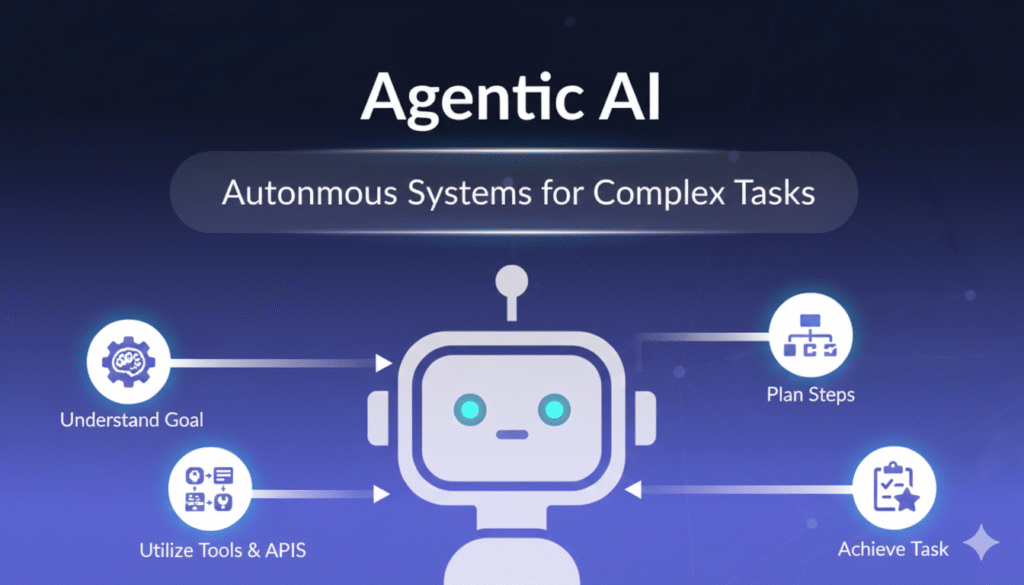
Until now, AI was something you “ask.”
But agentic AI is something you “assign work to.”
It plans, decides, executes, checks, corrects — without needing you every minute.
Real Example: n8n + AI agent
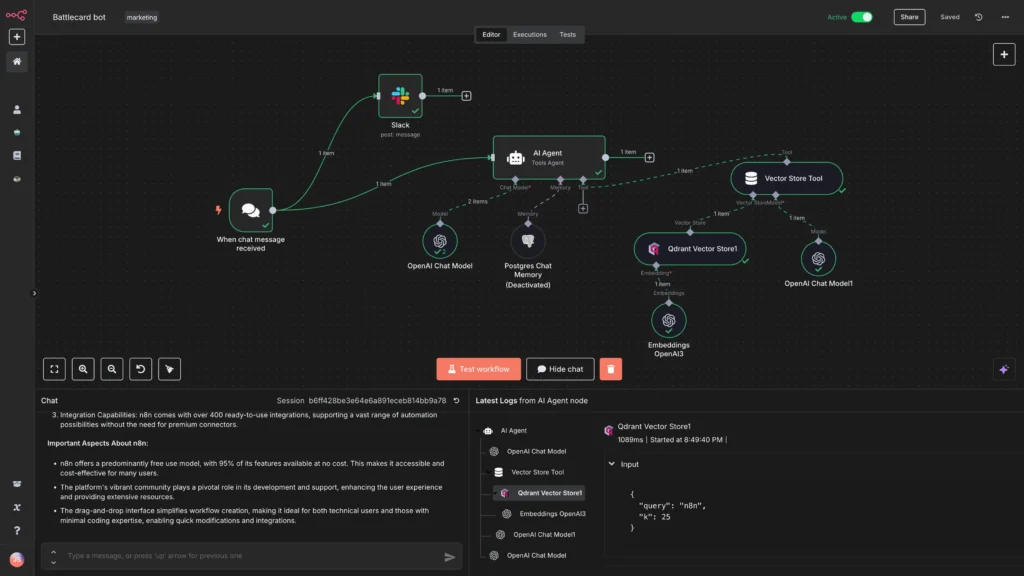
Imagine your morning routine:
- Check Gmail
- Find important emails
- Download attachments
- Save notes to Notion
- Reply to customers
- Move files to Google Drive
- Update your sheet
- Ping yourself on WhatsApp
Normally it takes 45 minutes.
With an AI agent inside n8n, you can automate the entire routine.
You simply tell the agent:
“Handle all my emails every morning, summarize important ones, reply professionally, save attachments, and notify me when done.”
After that —
you don’t touch anything.
The AI:
- Reads emails
- Classifies them
- Writes replies
- Creates summaries
- Saves files
- Updates your workspace
- And sends you a final report
This isn’t “ChatGPT-style AI.”
This is employee-style AI.
2. On-Device AI — Your Phone Is Becoming a Mini AI Supercomputer

Earlier, almost all AI depended on the cloud.
You needed internet, powerful servers, and external processing.
Now?
AI is moving inside your device.
Your phone, your laptop, even your smartwatch can run AI locally.
🔍 Example: Samsung Galaxy AI (Offline Features)
Samsung phones can now:
- Translate calls
- Summarize notes
- Rewrite text
- Edit images
- Extract objects
- Convert handwriting
offline, without sending data to any server.
This means:
- No privacy risk
- Instant processing
- Zero lag
- Works even without internet
🔍 Example: LM Studio
LM Studio lets you run strong AI models:
- On your laptop
- Totally offline
- For chat, learning, coding, summarizing
It feels like having ChatGPT on your device —
but without needing OpenAI or internet.
🔍 Example: Whisper.cpp (Local speech AI)
Record your audio → it transcribes offline.
Perfect for journalists, students, creators.
This is the future:
Devices become powerful AI machines.
Cloud becomes just optional.
3. GEO Is Replacing SEO — And Most Bloggers Still Don’t Realize
This one is scary — but true.
Traditional SEO is dying because AI summaries now appear before your website.
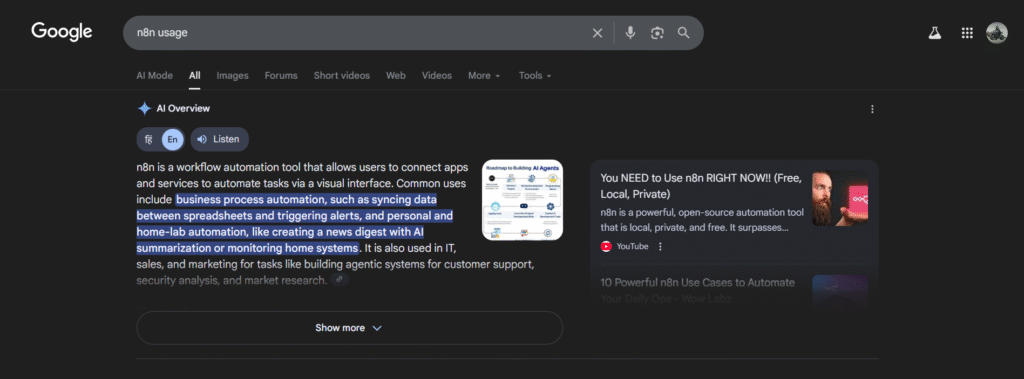
🔍 Example: Google AI Overview
Search “best laptop under 50k.”
Google now shows:
- An AI-generated summary
- Recommendations
- Comparisons
All before showing any actual website.
Users read that → click nothing.
🔍 Example: ChatGPT Search Mode

People now ask ChatGPT:
- “Best phone under 30k”
- “Which course should I take?”
- “What stocks to research?”
And ChatGPT gives a full answer with images, charts, pros, cons.
Again — no website click.
Why this matters:
If your blog is generic, AI will summarize it and kill your traffic.
How to survive GEO:
Write content AI cannot summarize well:
- Real experiences
- Case studies
- Tools you personally tried
- Local angles
- Mistakes you made
- Results you got
Example:
Instead of
“5 AI tools for productivity”Write
“5 AI Tools I Used for 20 Days — And Here’s What Actually Helped Me.”AI cannot compress your unique experience.
That’s the new advantage.
Final Thoughts — The AI Upgrade Nobody Noticed
While everyone was obsessed with viral AI demos, the real innovation happened quietly:

- AI became a worker
- Devices became AI computers
- Search became AI-first
- Privacy became important
- Industries started using AI deeply
- Interfaces became multimodal
This isn’t “the future.”
This is right now, but only a few people are paying attention.
If you understand these trends early, you’ll stay years ahead of the crowd.
Thanks for Reading and Give your valuable time. Don’t forget to comment and subscribe us for more such content.